Water Scarcity Mapping in the Middle East with AI
The water challenge
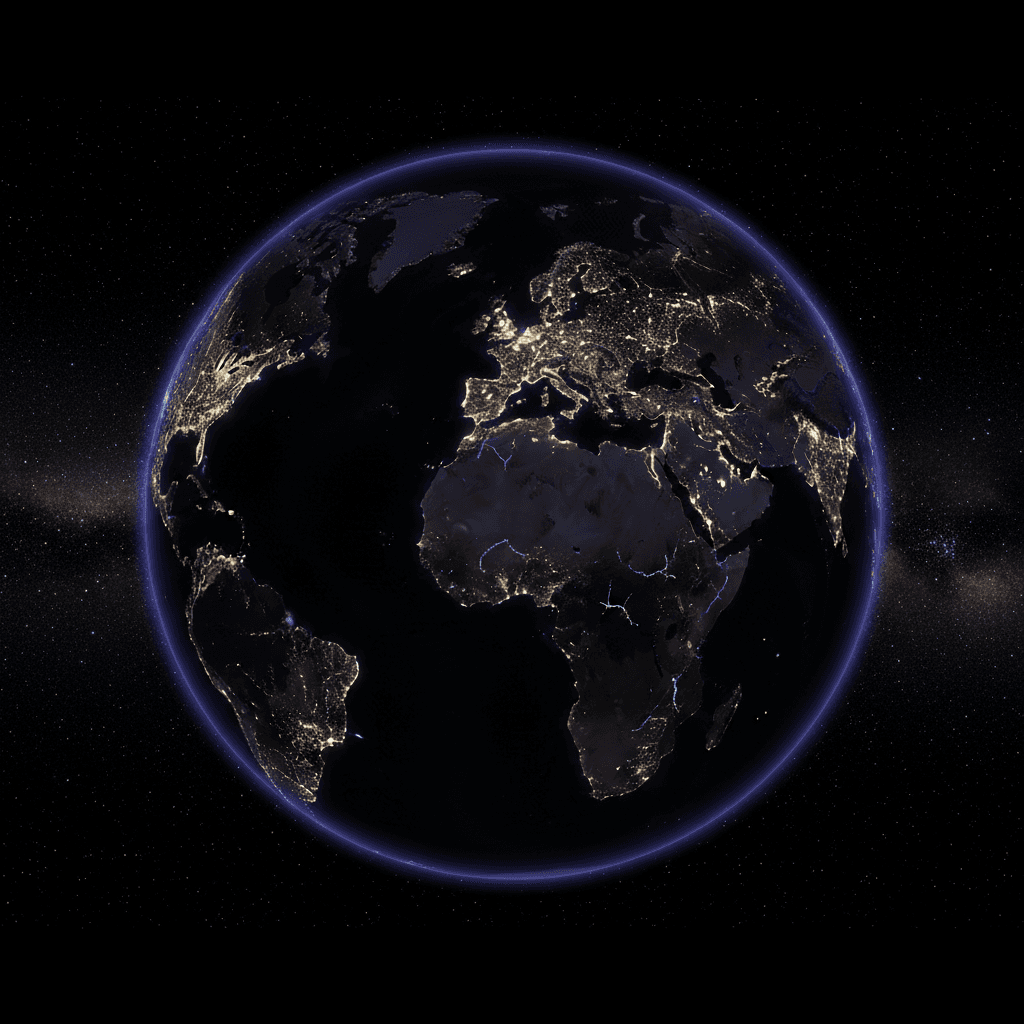
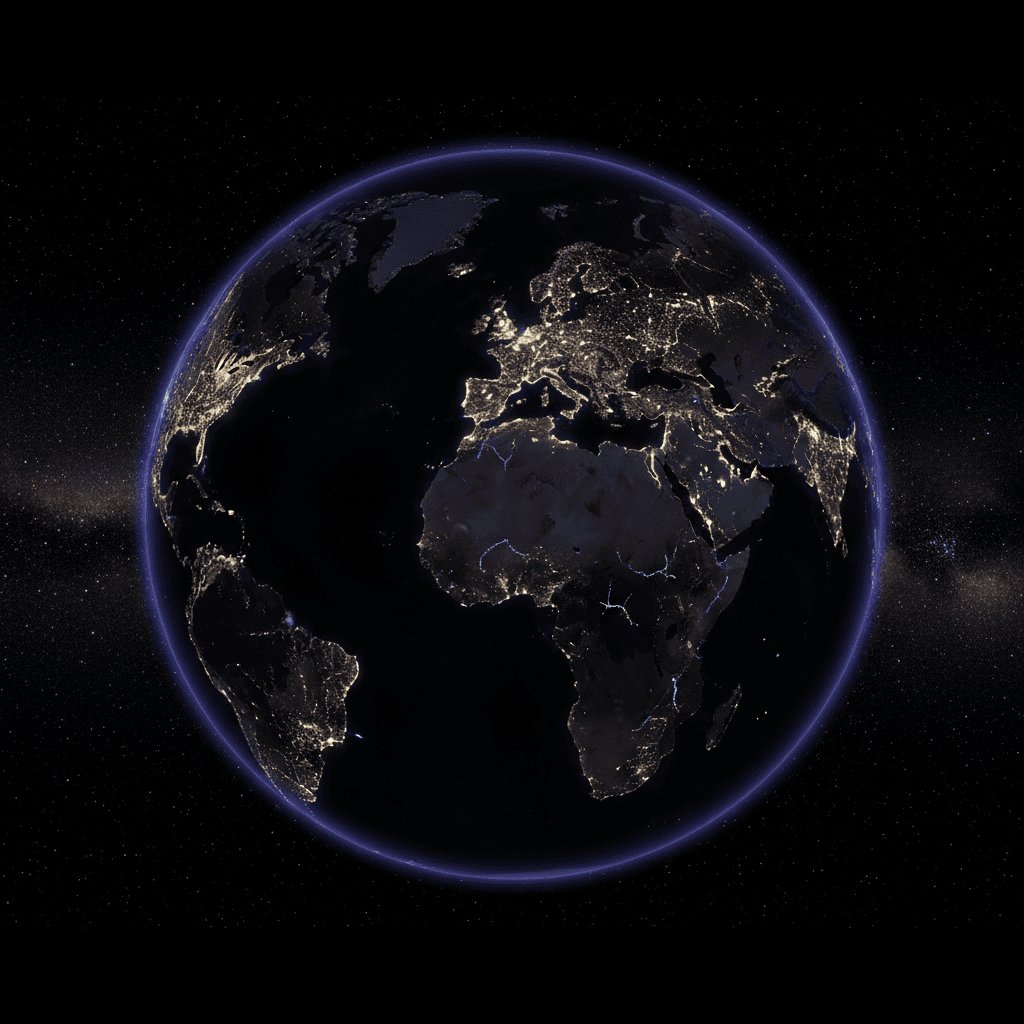
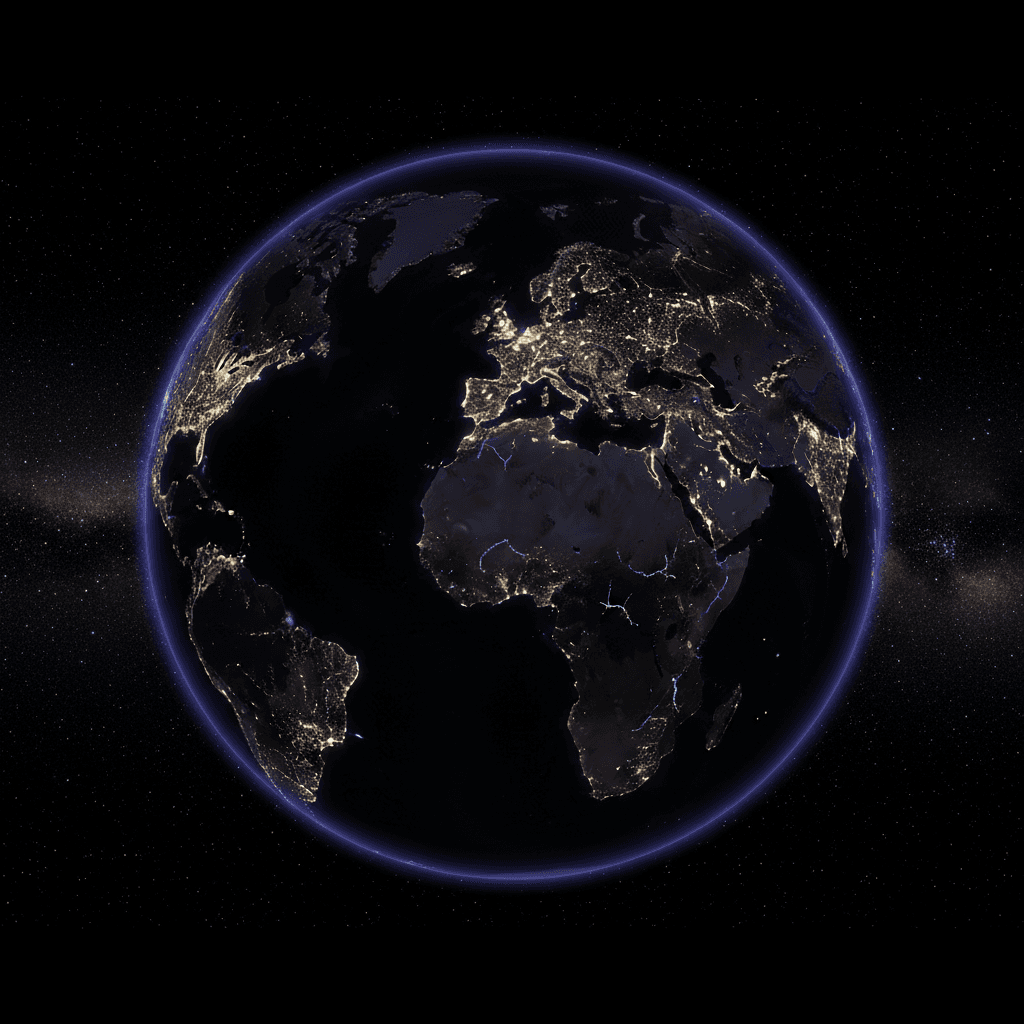
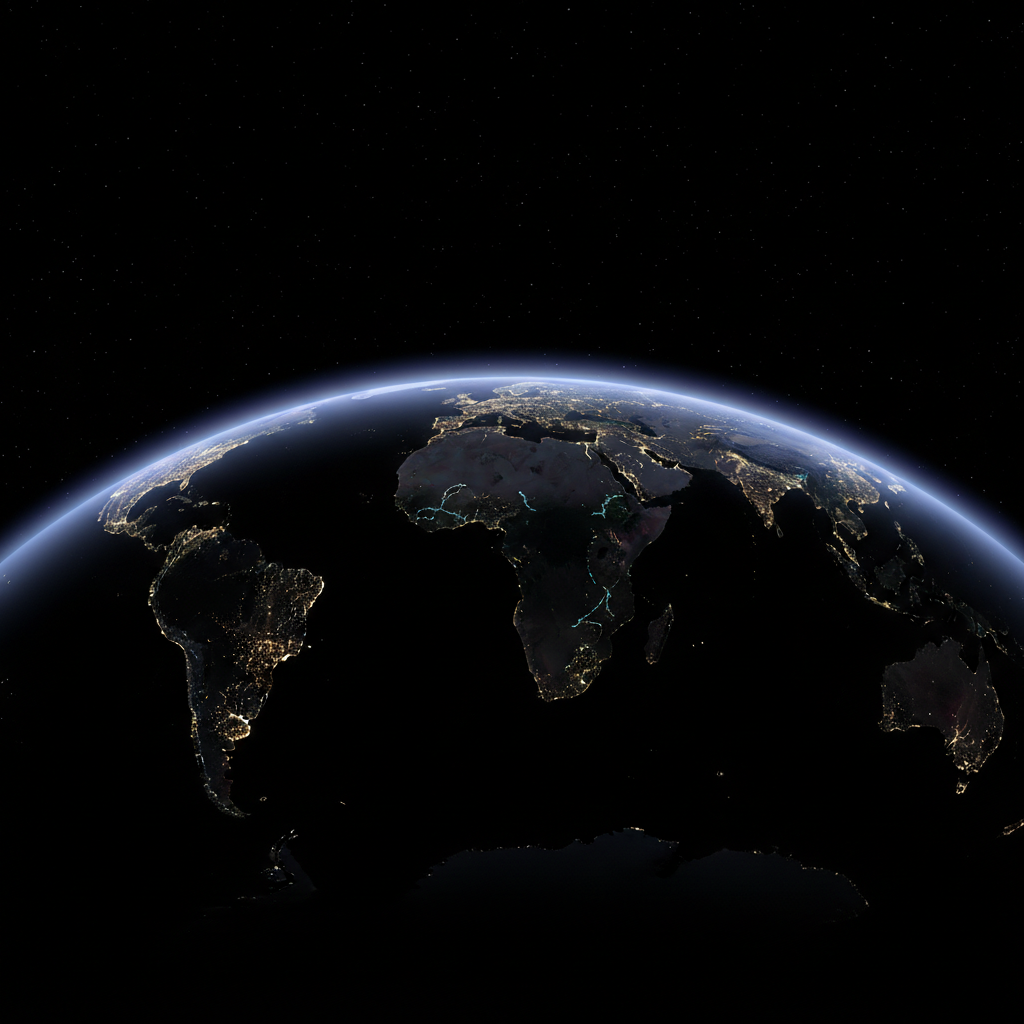
The Middle East is home to 6% of the world's population but only 1% of its freshwater. Countries like Saudi Arabia, UAE, Oman, and Qatar rely heavily on desalination and groundwater — both of which require sophisticated spatial analysis for planning.
How GIS helps
Geospatial analysis is critical for:
- Aquifer mapping — understanding groundwater depth and recharge zones
- Desalination plant siting — finding optimal coastal locations
- Pipeline network analysis — planning water distribution
- Demand forecasting — overlaying population growth with water availability
Traditional barriers
Most water authorities use ArcGIS Pro, which costs $2,800/year per analyst and requires months of training. In a region where technical GIS talent is scarce, this creates bottlenecks.
The AI approach
With GeoPilot, a water engineer can type "Map groundwater depth from well data using IDW interpolation" and get results in seconds. No ArcGIS license needed. No Python scripting. No waiting for IT support.
Saudi Vision 2030 and NEOM
Saudi Arabia's Vision 2030 includes massive water infrastructure projects. NEOM alone plans to be 100% powered by renewable energy, including water desalination. The spatial analysis required for these megaprojects is enormous — and AI-powered GIS makes it accessible to larger teams.
Jagadeesh Gaddam
CEO, Smart Bhujal
Try this in GeoPilot
Run the analysis described in this article with one prompt. No setup required.
Open GeoPilot